Jael in Judges 4: Reading the Story Beyond the Tent
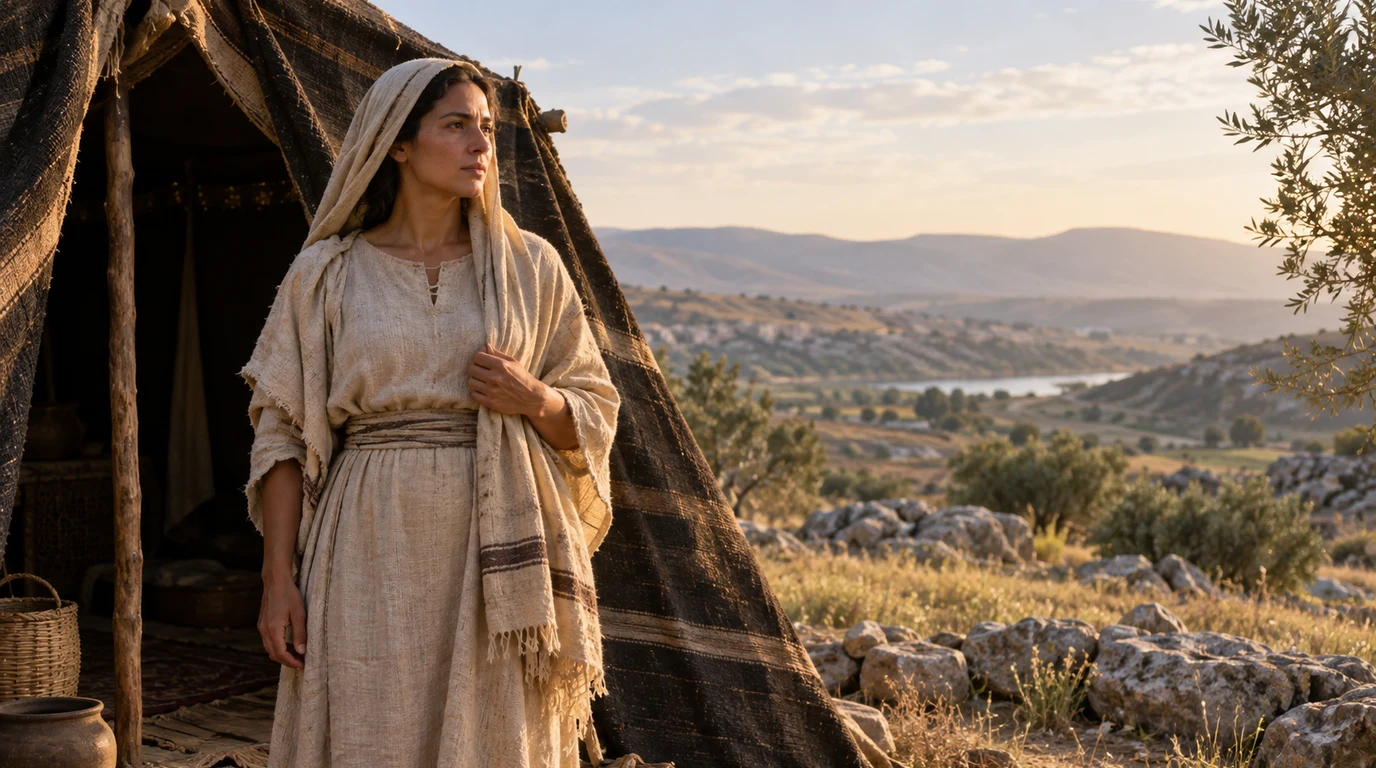
A Bible story can be familiar for its most startling moment and still be poorly understood. Jael's encounter with Sisera is one of those stories. Readers remember the tent and the commander's death, but may overlook the frightened communities around them, the words Deborah spoke beforehand, and the peace described afterward.
Reading Judges 4 alongside Judges 5 helps us keep those pieces together. Jael belongs to a particular account of Israel's deliverance from oppression. Her story asks us to pay attention to people whose actions might otherwise be overlooked, while reading a difficult passage with care rather than turning it into a slogan.
Begin with the people who needed relief
The opening of Judges 4 is sobering. Israel again does evil in God's sight, and Jabin, king of Canaan, becomes its oppressor. His commander Sisera has nine hundred iron chariots. The Israelites cry to the Lord after twenty years of harsh oppression, according to Judges 4:1-3. Those numbers tell us about military strength and the length of suffering. The next chapter brings the consequences closer to ordinary life. Judges 5:6 describes abandoned highways and travelers taking side roads. Judges 5:7 speaks of village life ceasing. The poem remembers a landscape in which normal movement and community life had become insecure. This matters because the story is larger than a contest between impressive individuals. Deliverance means relief for people who have lived under another ruler's power. When we read about the defeat of Sisera, we should keep those households and travelers in view.Notice how the account distributes attention
Deborah is introduced as a prophetess and a judge in Judges 4:4-5. She summons Barak and conveys the command to gather men from Naphtali and Zebulun. Barak says he will go if Deborah goes with him. She agrees, while telling him that the honor concerning Sisera will belong to a woman. Judges 4:9 prepares the reader for a surprising outcome. Yet the narrative does not become a competition in which only one person matters. Deborah speaks, Barak leads the troops, and the Lord defeats Sisera's forces. Jael then enters the account at its decisive final encounter. We do not need to invent a biography for Jael to recognize her importance. Scripture identifies her as the wife of Heber the Kenite. It does not give her age, describe her childhood, or disclose every thought behind her decision. Careful reading honors both what the text reveals and what it leaves unsaid.What happens at Jael's tent?
After his army is defeated, Sisera leaves his chariot and escapes on foot. Judges 4:17 explains why he approaches Jael's tent: there is peace between Jabin and Heber's household. He expects a place of safety outside the battlefield. Jael invites him inside, covers him, and gives him milk when he asks for water. Sisera asks her to stand at the entrance and conceal his presence from anyone who inquires. While he sleeps, she kills him with a tent peg and a hammer. When Barak arrives, Jael shows him that the commander is dead, as Judges 4:18-22 records. The event is violent, and there is no need to decorate it with imagined dialogue or celebrate its physical details. The narrator's concluding emphasis is explicit:So God subdued on that day Jabin the king of Canaan before the children of Israel. Judges 4:23 (KJV)Judges 4:24 then describes Israel's continuing advance against Jabin. Sisera's death is a decisive part of the deliverance, but the chapter distinguishes that encounter from the fuller defeat of the king's power.
Let the song widen your reading
Judges 5 presents a song of Deborah and Barak. Its poetry remembers willing participation, danger, battle, and deliverance. Within that song, Jael receives direct praise:Blessed above women shall Jael the wife of Heber the Kenite be, blessed shall she be above women in the tent. Judges 5:24 (KJV)Her presence in the song prevents readers from treating her as an incidental figure. The account gives lasting attention to a woman whose tent becomes the setting for the commander's downfall. Military rank does not determine whose contribution the story remembers. The final verse also deserves attention. Judges 5:31 closes with forty years of rest in the land. Reading toward that ending shifts our focus from the shock of one scene to the relief that follows oppression. Peace is part of what the biblical account asks us to remember.
Carry the lesson into daily life carefully
Jael's story belongs to an ancient conflict described in Judges. It does not give Christians permission to identify a difficult neighbor, coworker, or relative as Sisera and imitate her actions. The New Testament's instructions about personal conduct must guide our application. Romans 12:17-21 tells believers to refuse personal revenge, seek peace where possible, and respond to evil with good. Its closing instruction is clear:Be not overcome of evil, but overcome evil with good. Romans 12:21 (KJV)With that distinction in place, this passage can shape several useful habits:
- Notice the people affected by oppression. Ask who is living with the consequences of another person's power. Listen to their experience rather than focusing only on prominent names.
- Give credit beyond visible leadership. Remember the people whose faithful service is easy to overlook. Thank someone whose contribution supports the life of your community.
- Read difficult accounts in context. Include the surrounding chapter, the companion song, and the Bible's direct teaching about how believers should act.
- Value the restoration of ordinary life. Safety, dependable relationships, and the freedom to carry out daily responsibilities are worth gratitude and practical care.