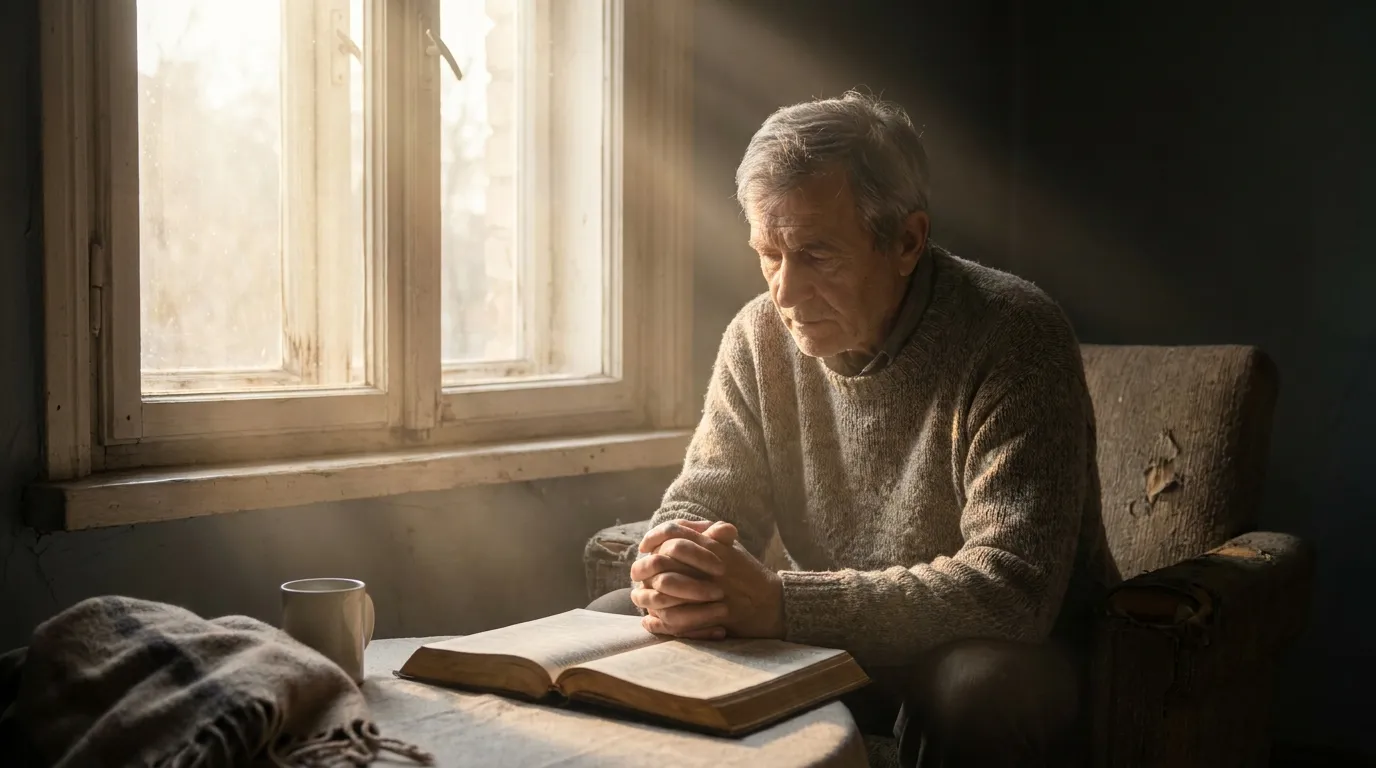
Still Bearing Fruit: What Psalm 92 Says About Growing Older
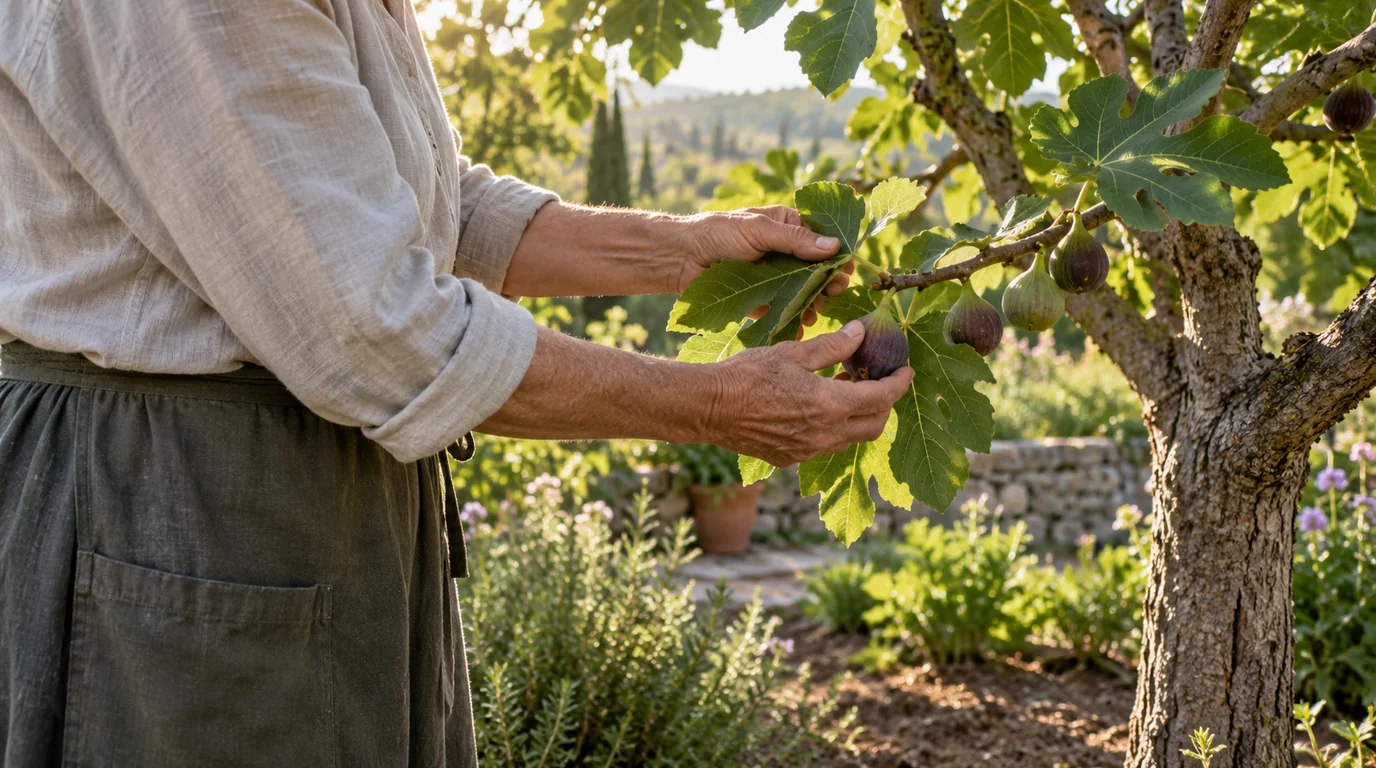
Growing older can change the shape of an ordinary day. Responsibilities shift, familiar routines end, and some tasks take more effort than they once did. These changes can raise a quiet question: What does a faithful life look like now?
Psalm 92 offers a hopeful answer. It pictures people rooted in God who continue to bear fruit in old age. Their lives point to his faithfulness. Reading this psalm alongside Psalm 71 and Jesus' teaching in John 15 helps us see how prayer, dependence, and love can remain meaningful through changing seasons.
Psalm 92 begins with worship
Before Psalm 92 speaks about growing older, it begins with the goodness of praising God:It is a good thing to give thanks unto the Lord, and to sing praises unto thy name, O Most High: To shew forth thy lovingkindness in the morning, and thy faithfulness every night, Psalm 92:1-2 (KJV)The morning and evening give this praise an everyday rhythm. God can be remembered at the beginning of a day and thanked at its close. A life of worship does not require a crowded schedule or a prominent role. For someone whose routine has changed, these verses suggest a simple starting place. Before deciding what you can accomplish, remember whom you belong to. Name one expression of God's lovingkindness in the morning. At night, bring the day's joys and disappointments to him. Gratitude makes room for honest prayer; it does not require pretending that every change is easy.
Fruitfulness grows from being rooted in God
In Psalm 92:12-13, the righteous are compared to a flourishing palm tree and a cedar in Lebanon. They are described as planted in the house of the Lord. The images direct our attention to a life sustained in God's presence. Then the psalm makes its striking statement about later life:They shall still bring forth fruit in old age; they shall be fat and flourishing; To shew that the Lord is upright: he is my rock, and there is no unrighteousness in him. Psalm 92:14-15 (KJV)The final verse explains where the picture leads: a fruitful life bears witness to God's uprightness. The older language of being “fat and flourishing” belongs to the psalm's picture of a thriving tree. It should not be turned into a promise that believers will never become physically frail. Fruitfulness can be expressed through patient listening, truthful speech, prayer for others, and kindness that asks for no recognition. A person may have fewer public responsibilities and still help others recognize God's goodness. Psalm 92 invites us to value that quiet witness.
Faithfulness can include weakness and need
Psalm 71 gives us another voice to hear. In Psalm 71:9, the speaker asks God not to cast him off in old age or forsake him when his strength fails. Scripture makes room for that vulnerability. Later, the prayer turns toward the next generation:Now also when I am old and greyheaded, O God, forsake me not; until I have shewed thy strength unto this generation, and thy power to every one that is to come. Psalm 71:18 (KJV)The desire to share God's strength appears alongside the need for God's help. We do not have to choose between acknowledging limitations and trusting him. Both can be part of the same prayer. This also matters for families and churches. Older people should have opportunities to contribute, and they should be welcomed when they need care. Listening to their prayers, questions, and memories honors them as people. Their worth does not depend on having an inspiring story ready or being able to serve everyone else.
Let Jesus define the source of fruit
In John 15:4-5, Jesus describes himself as the vine and his disciples as the branches. A branch bears fruit by remaining in the vine. Jesus directs his followers to dependence on him. Read beside Psalm 92, this teaching helps us resist measuring spiritual life by visible output alone. Our first concern can be remaining close to Christ: listening to his words, praying honestly, and practicing the love those words teach. These practices may become smaller and slower over time. A brief prayer offered with attention can still be sincere. A conversation with one person can still express love. Receiving someone else's help can become an occasion for gratitude and mutual care.Simple ways to live these passages this week
Choose a practice that fits your present circumstances. These suggestions can also help younger readers encourage an older friend or family member:- Keep a morning and evening prayer. Begin with thanks for one kindness. End by entrusting one concern to God, following the rhythm of Psalm 92:1-2.
- Share one remembered lesson. Tell someone how a passage of Scripture helped you through a particular season. Leave room for their questions instead of turning the conversation into a lecture.
- Offer attentive friendship. Ask someone what their week has been like. Listen without rushing to explain or fix everything.
- Pray across generations. Remember a younger person's name and circumstances in prayer. Younger readers can pray for older people with the same care.
- Welcome support. If someone offers suitable help, you can receive it without treating dependence as a spiritual failure.