The Parable of the Wheat and the Weeds and Its Practical Application
The Parable of the Wheat and the Weeds and Its Practical Application
Among Jesus’ many teachings, parables hold a special place for conveying deep spiritual truths through simple, relatable comparisons. One of the most profound is the Parable of the Wheat and the Weeds, found in Matthew 13:24–30 and 13:36–43. In this parable, Jesus teaches about the reality of God’s Kingdom, the presence of evil in the world, and the importance of spiritual discernment. Let’s explore its context, meaning, and practical lessons for our daily Christian life.
The Context of the Parable
Jesus told this parable right after the Parable of the Sower, still in Matthew 13. He was teaching the crowds about the Kingdom of Heaven using familiar agricultural imagery to make His message accessible and vivid.
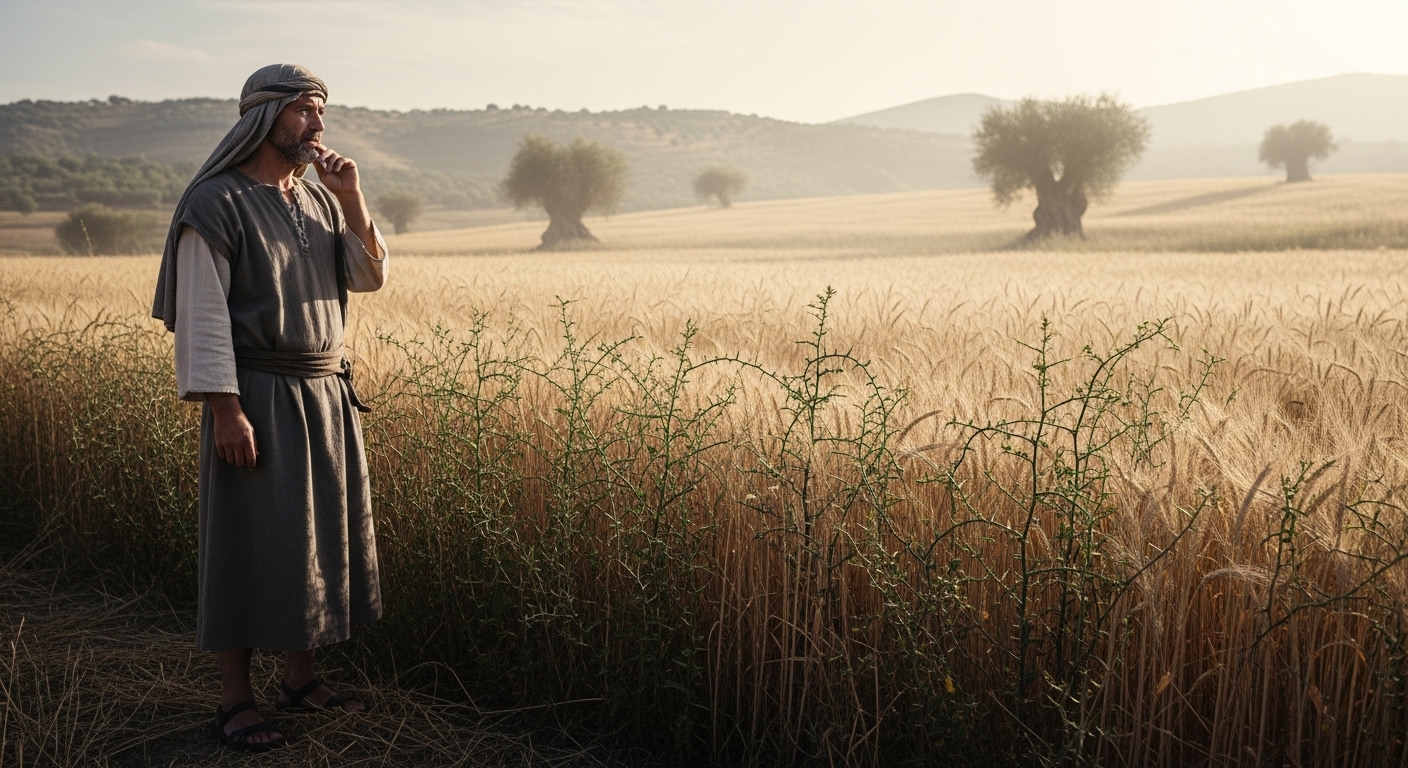
In the story, a man sows good seed in his field, but while everyone is asleep, the enemy comes and sows weeds among the wheat. When the plants begin to grow, the weeds appear alongside the wheat. The servants ask the owner whether they should pull the weeds out, but he replies that doing so might uproot the wheat as well. Instead, he instructs them to let both grow together until harvest time — when the wheat will be gathered into the barn and the weeds burned.
The Meaning of the Parable Explained by Jesus
Later, Jesus gives His disciples a direct explanation of the parable:
- The field represents the world.
- The good seed (wheat) symbolizes the children of the Kingdom.
- The weeds symbolize the children of the evil one.
- The enemy who sows the weeds is the devil.
- The harvest represents the end of the age.
- The harvesters are the angels sent by God.
Thus, Jesus reveals that the righteous and the wicked will coexist in this world until the end. The final separation will take place on the Day of Judgment, when God will reward those who remained faithful and bring justice upon evil.
Practical Applications of the Parable
This parable is not only a prophetic vision but also a call to live with watchfulness, patience, and trust in God’s plan. Here are some key applications for believers today:
1. Discern Without Judging Hastily
The servants were told not to pull the weeds because they might harm the wheat. In the same way, Christians are called to practice discernment without assuming the role of judges. Final judgment belongs to God alone.
2. Stand Firm Amid Evil
The wheat continues to grow even among the weeds. This teaches us that believers must not be discouraged by the presence of evil in the world. Instead, we are to continue growing spiritually, nourished by God’s Word and presence.
3. Trust in God’s Timing
The harvest comes only when the time is right. Likewise, God’s justice may seem delayed, but His timing is always perfect. We must trust that He will bring every hidden thing to light and reward faithfulness at the appointed time.
4. Examine the Heart
The parable also challenges us personally: are we wheat or weeds? The Christian life calls for repentance, faith in Christ, and the fruit of transformation through the Holy Spirit.
Conclusion
The Parable of the Wheat and the Weeds is a powerful illustration of the Christian journey. It reminds us that good and evil coexist for now, but ultimate justice belongs to God. The practical message is clear: live watchfully, persevere in faith, and trust the Lord’s righteous judgment. In His time, the faithful will be gathered into His Kingdom, and His justice will prevail.
If this article inspired you, share it to help spread the teachings of Jesus and strengthen the faith of others.