The Story of St. Gregory the Great, Doctor of the Church
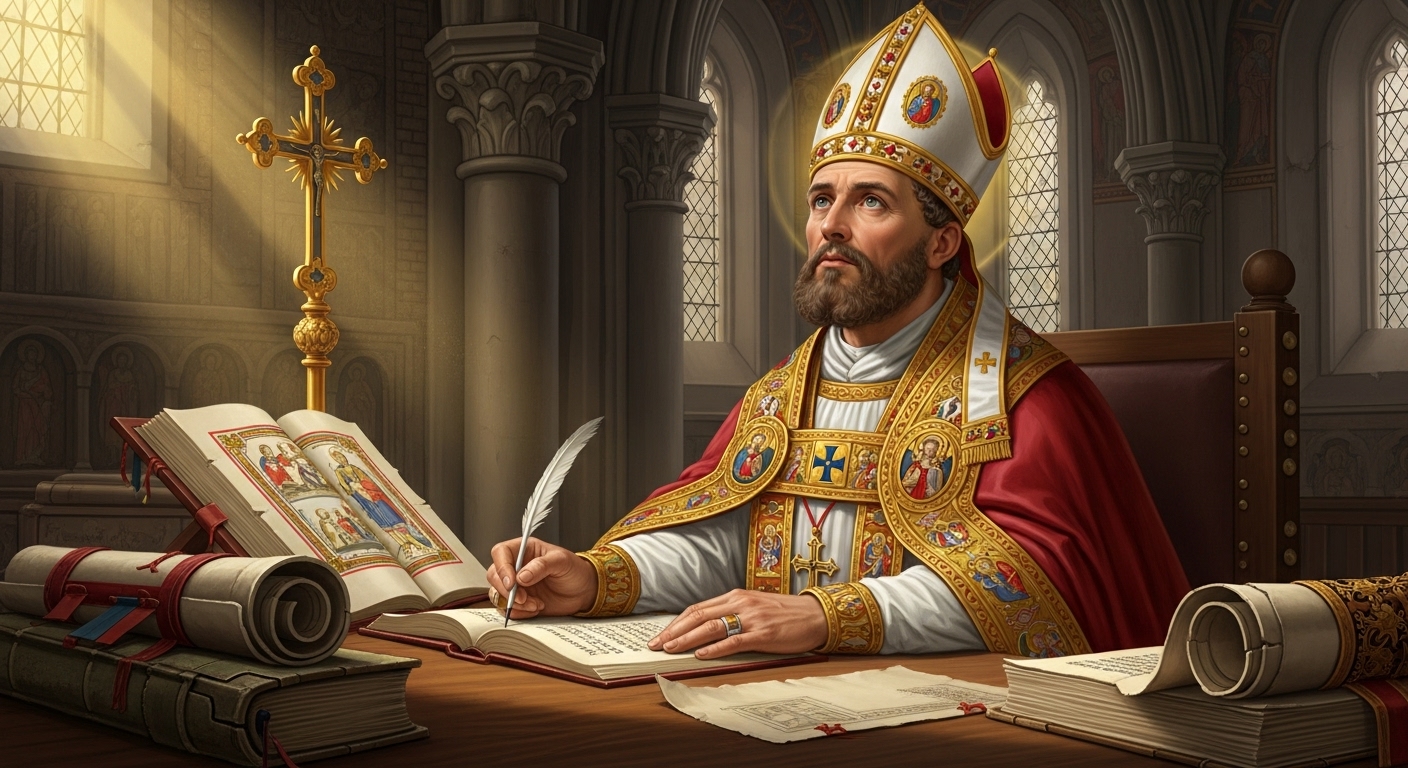
The Story of St. Gregory the Great, Doctor of the Church
Who was St. Gregory the Great?
St. Gregory the Great is remembered as one of the four great Doctors of the Latin Church and one of the most influential figures of the Middle Ages. His life and legacy profoundly shaped the spirituality, liturgy, and mission of the Catholic Church.
Born in Rome around the year 540, Gregory came from a noble family but decided to dedicate his life to the service of God. After the death of his father, he transformed his home into a monastery and embraced monastic life. In 590, he was elected Pope, becoming one of the most remarkable leaders in Church history.
His papacy: reform, care, and mission
As Pope, Gregory faced a time of crises—wars, famine, barbarian invasions, and moral decline. He stood out for:
- Clergy reform – seeking greater holiness and discipline among Church leaders.
- Social action – organizing aid for the poor and those who suffered.
- Missionary promotion – sending missionaries, such as St. Augustine of Canterbury, to evangelize the Germanic and Anglo-Saxon peoples.
- Strengthening the liturgy – contributing to the organization of Roman liturgy and traditionally associated with Gregorian chant, which bears his name.
Writings and doctrine
St. Gregory the Great left important writings, including:
- Pastoral Rule – a manual for bishops and Church leaders on how to shepherd the flock of Christ.
- Dialogues – narratives of miracles and lives of saints that inspired generations of Christians.
He also reaffirmed the importance of humility, charity, and pastoral service, being considered a model pastor who combined governance with holiness.
Spiritual legacy
St. Gregory the Great is known as the “servant of the servants of God,” a title he used for himself and which is still associated with the papacy today. His life shows that to lead is to serve, and true authority is manifested in caring for those in need.
What can we learn from St. Gregory the Great?
- Service above power – Christian leadership is a vocation of service.
- The importance of prayer and action – he united monastic contemplation with active governance.
- Evangelization as an ongoing mission – his missionary drive planted seeds that transformed Christian Europe.
Conclusion
The life and legacy of St. Gregory the Great continue to inspire Christians to live a faith committed to prayer, service, and mission. Celebrated on September 3, he is honored as one of the great Doctors of the Catholic Church, whose influence echoes even today.
If this article blessed you, share it with your friends and family.